Augmented Reality and Virtual Reality have long been associated with gaming and entertainment, but in 2026, these immersive technologies are making a significant impact in enterprise IT. Organizations are leveraging AR and VR to solve real business challenges, enhance productivity, and deliver innovative solutions that were previously unimaginable.
Transforming Training and Onboarding
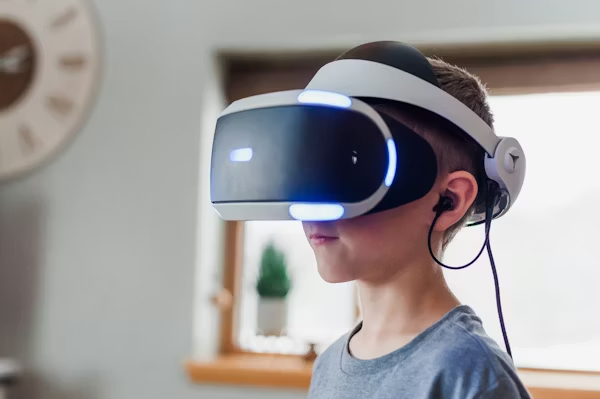
One of the most practical applications of AR and VR in enterprise IT is employee training and onboarding. Virtual Reality simulations allow new hires to experience realistic scenarios, practice skills, and learn procedures in a safe, controlled environment. Augmented Reality overlays can guide technicians through complex tasks, providing step-by-step instructions directly in their field of view. This approach reduces training time, minimizes errors, and improves knowledge retention.
Enhancing Remote Collaboration
As remote work becomes the norm, AR and VR are bridging the gap between distributed teams. Virtual meeting rooms and collaborative workspaces enable employees to interact as if they were physically present. Teams can brainstorm, review designs, and solve problems together in immersive environments. This level of engagement fosters creativity and strengthens communication, making remote collaboration more effective than ever.
Streamlining Maintenance and Support
AR is revolutionizing maintenance and technical support in enterprise IT. Field technicians equipped with AR glasses can access real-time data, diagrams, and troubleshooting guides while working on equipment. Experts can remotely assist by seeing what the technician sees and providing guidance. This reduces downtime, speeds up repairs, and ensures consistent service quality across locations.
Improving Data Visualization and Decision-Making
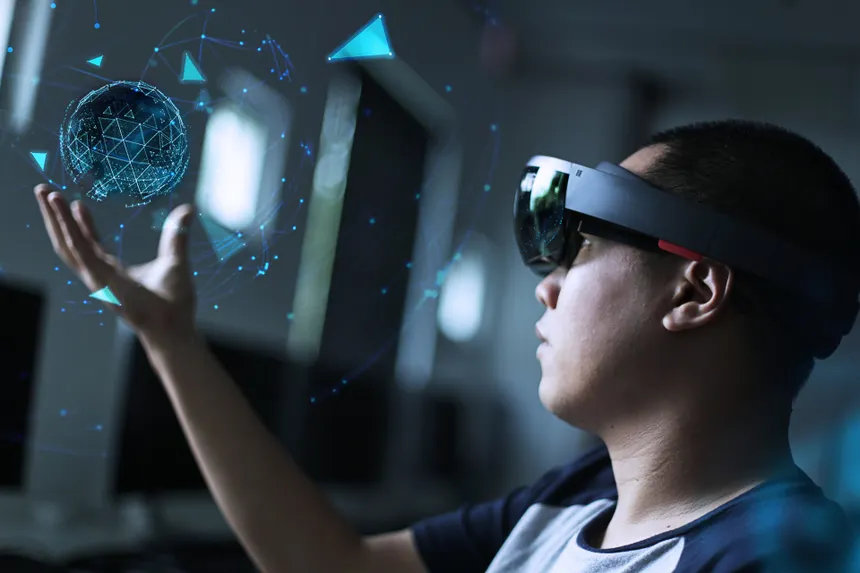
Complex data sets are easier to understand when visualized in three dimensions. VR dashboards allow executives and analysts to explore data interactively, uncovering insights that might be missed in traditional charts. AR can overlay key metrics onto physical objects, helping managers make informed decisions on the spot. These tools are transforming business intelligence, making data-driven strategies more accessible and actionable.
Driving Innovation in Product Development
Product development teams are using AR and VR to prototype, test, and refine new solutions faster. Designers can manipulate virtual models, simulate real-world conditions, and collaborate with stakeholders in immersive environments. This accelerates the innovation cycle, reduces costs, and leads to better products that meet customer needs.
Overcoming Adoption Barriers
For years, high costs and technical limitations hindered AR and VR adoption in enterprise IT. In 2026, affordable hardware, improved software platforms, and seamless integration with existing systems are making these technologies accessible to organizations of all sizes. Cloud-based solutions and 5G connectivity enable real-time experiences without expensive infrastructure.
Conclusion
AR and VR are finally delivering tangible value in enterprise IT. From training and collaboration to maintenance and data visualization, these technologies are solving real business problems and unlocking new opportunities. As adoption grows, enterprises that embrace AR and VR will gain a competitive edge, driving innovation and efficiency in a rapidly evolving digital landscape.