Generative AI is revolutionizing the software development landscape in ways that were once unimaginable. In 2026, developers and organizations are witnessing a fundamental shift in how applications are built, tested, and maintained. This technology is not just automating tasks—it is redefining creativity, productivity, and the very nature of coding.
Accelerating Code Creation and Automation
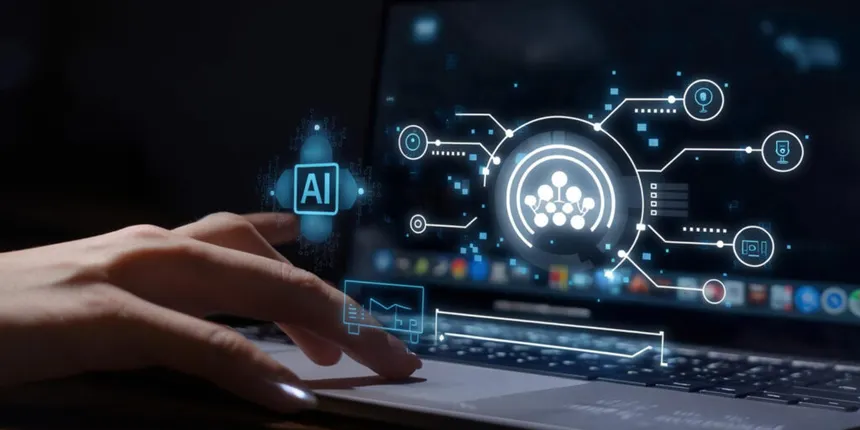
Generative AI models, such as advanced language models and code generators, can write code, generate documentation, and even design user interfaces based on simple prompts. Developers no longer need to start from scratch or spend hours on boilerplate code. Instead, they can describe their requirements, and AI tools produce functional code in seconds. This acceleration is reducing development cycles, enabling teams to deliver products faster and respond to market demands with agility.
Enhancing Quality and Reliability
Testing and debugging are critical aspects of software development. Generative AI is transforming these processes by automatically generating unit tests, identifying bugs, and suggesting fixes. AI-powered tools analyze code for vulnerabilities, optimize performance, and ensure compliance with best practices. As a result, software quality is improving, and reliability is becoming easier to achieve, even for complex applications.
Empowering Developers and Democratizing Coding
Generative AI is lowering the barrier to entry for software development. Individuals with limited coding experience can use AI-powered platforms to build applications, automate workflows, and solve problems. This democratization is expanding the pool of innovators and enabling organizations to tap into diverse talent. Experienced developers benefit as well, focusing on high-level architecture and creative problem-solving while AI handles repetitive tasks.
Driving Innovation in Design and User Experience
Beyond code generation, generative AI is influencing design and user experience. AI tools can create wireframes, suggest layouts, and personalize interfaces based on user behavior. This capability allows teams to experiment with new ideas, iterate rapidly, and deliver engaging products that meet evolving user needs. The synergy between AI and human creativity is fostering innovation at every stage of development.
Streamlining Collaboration and Project Management
Software development is inherently collaborative. Generative AI enhances teamwork by automating documentation, tracking progress, and facilitating communication. AI agents can summarize meetings, assign tasks, and monitor deadlines, ensuring that projects stay on track. This streamlined workflow reduces friction and empowers teams to focus on delivering value.
Challenges and Ethical Considerations
While generative AI offers immense benefits, it also presents challenges. Ensuring code security, managing intellectual property, and addressing bias in AI-generated solutions require careful oversight. Organizations must establish guidelines for responsible AI use and invest in training to help developers understand and manage AI-driven workflows.
Conclusion
Generative AI is transforming software development forever. By automating code creation, enhancing quality, democratizing access, and driving innovation, this technology is reshaping the industry. Developers and organizations that embrace generative AI will unlock new levels of productivity and creativity, paving the way for a future where software is smarter, faster, and more accessible than ever before.