Artificial Intelligence has been reshaping industries for years, but 2026 marks a pivotal moment in the evolution of software workflows. AI agents are no longer just tools for automation or data analysis; they are becoming the backbone of modern software operations. This shift is redefining how businesses build, deploy, and manage their digital processes, offering unprecedented efficiency and adaptability.
The Rise of AI Agents in Software Workflows
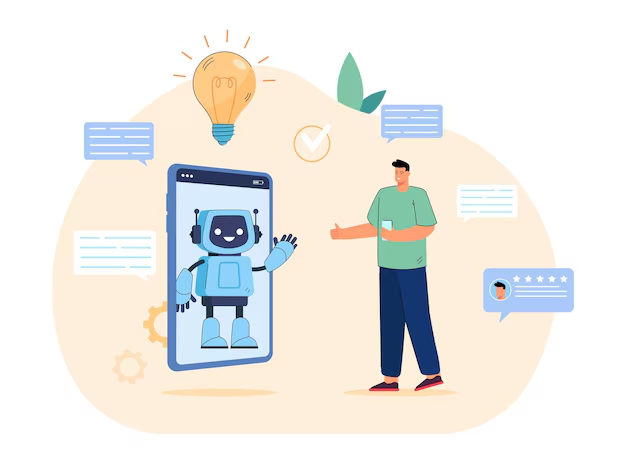
AI agents are intelligent systems capable of performing tasks, making decisions, and learning from interactions. Unlike traditional software, which follows rigid, rule-based instructions, AI agents adapt to changing environments and user needs. They can handle complex tasks such as project management, customer support, and even software development, often outperforming conventional solutions.
In 2026, organizations are leveraging AI agents to streamline workflows across departments. These agents automate repetitive tasks, optimize resource allocation, and provide real-time insights. For example, AI-driven project managers can schedule meetings, assign tasks, and monitor progress without human intervention. This automation frees up valuable time for employees, allowing them to focus on strategic initiatives.
Replacing Manual Processes with Intelligent Automation
Traditional software workflows often require manual input and oversight. Tasks such as data entry, report generation, and system monitoring can be time-consuming and prone to errors. AI agents eliminate these inefficiencies by automating processes end-to-end. They can extract information from emails, update databases, and generate reports with minimal supervision.
Moreover, AI agents are capable of learning from historical data and user behavior. This enables them to anticipate needs, suggest improvements, and adapt workflows dynamically. For instance, in software development, AI agents can review code, identify bugs, and recommend fixes, accelerating the development cycle and reducing the risk of errors.
Enhancing Collaboration and Communication
Collaboration is a cornerstone of successful software workflows. AI agents facilitate seamless communication between teams by integrating with messaging platforms, scheduling tools, and project management systems. They can summarize conversations, track action items, and ensure that deadlines are met.
In customer support, AI agents handle inquiries, resolve issues, and escalate complex cases to human agents when necessary. This hybrid approach ensures that customers receive timely and accurate assistance, while support teams can focus on high-value interactions.
Personalization and Adaptive Workflows
One of the most significant advantages of AI agents is their ability to personalize workflows. Traditional software often relies on static templates and predefined rules. AI agents, on the other hand, tailor processes to individual users and teams. They learn preferences, adjust settings, and recommend actions based on real-time data.
This personalization extends to workflow optimization. AI agents analyze performance metrics, identify bottlenecks, and implement changes to improve efficiency. Organizations benefit from agile workflows that evolve with their needs, rather than being constrained by outdated processes.
Security and Compliance in AI-Driven Workflows
As AI agents take on more responsibilities, security and compliance become critical considerations. Modern AI agents are designed with robust security protocols, ensuring that sensitive data is protected and regulatory requirements are met. They monitor access, detect anomalies, and enforce policies automatically.
Compliance management is also streamlined. AI agents track changes, generate audit logs, and ensure that workflows adhere to industry standards. This reduces the burden on IT teams and minimizes the risk of non-compliance.
The Future of Work: Human-AI Collaboration
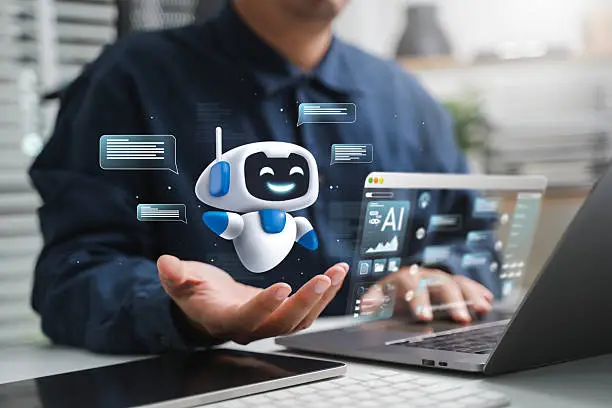
While AI agents are replacing many traditional workflows, human expertise remains essential. The future of work is characterized by collaboration between humans and AI. Employees leverage AI agents to handle routine tasks, analyze data, and make informed decisions. This partnership enhances productivity and fosters innovation.
Organizations are investing in training programs to help employees work effectively with AI agents. Understanding how to interpret AI recommendations, provide feedback, and oversee automated processes is crucial for maximizing the benefits of intelligent workflows.
Challenges and Opportunities
The transition to AI-driven workflows is not without challenges. Integrating AI agents with existing systems, ensuring data quality, and managing change require careful planning. Organizations must address concerns about job displacement and ensure that employees are equipped to thrive in an AI-enhanced environment.
However, the opportunities are immense. AI agents offer scalability, flexibility, and resilience, enabling businesses to respond quickly to market changes. They unlock new possibilities for innovation, customer engagement, and operational excellence.
Conclusion
In 2026, AI agents are transforming the landscape of software workflows. By replacing manual processes with intelligent automation, enhancing collaboration, and personalizing operations, AI agents are driving a new era of efficiency and adaptability. Organizations that embrace this shift will be well-positioned to lead in the digital age, harnessing the power of AI to build smarter, more responsive workflows.
As technology continues to evolve, the synergy between humans and AI agents will define the future of work. By fostering collaboration and investing in intelligent solutions, businesses can unlock the full potential of AI and create lasting value in a rapidly changing world.